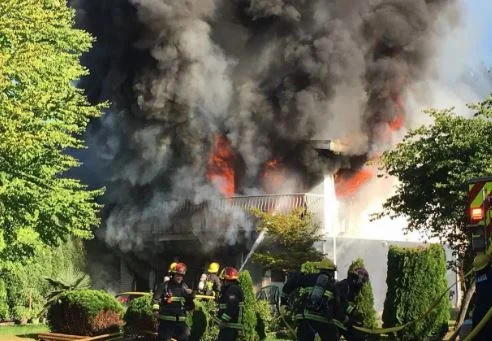
Structure fires remain a serious fire-safety concern across Vancouver and Metro Vancouver. Residential homes, commercial buildings, mixed-use properties, and construction sites can all face different fire hazards, including cooking incidents, electrical problems, heating equipment, and improper storage.
Recent fires across Vancouver, Surrey, Burnaby, Langley, Coquitlam, Delta, and North Vancouver highlight how quickly a small fire can become a major property loss. This guide examines recent structure fire incidents, common causes, fire risks, and the fire protection measures property owners can use to improve safety and reduce potential damage.
The following incidents occurring within a short time frame illustrate how widespread and unpredictable structure fires can be.
A significant fire began in the garage of a Langley home while a resident was cooking pizza. Thanks to a neighbour who noticed smoke and raised the alarm, the homeowner escaped safely. Unfortunately, the fire spread rapidly and destroyed two houses, including the neighbouring property.
In Kitsilano, a major blaze damaged several commercial units and spread to nearby buildings. Dense commercial clusters can amplify fire risks, making early detection systems especially critical.
In separate incidents, one family lost everything to a residential fire, while another East Vancouver fire claimed the life of a resident. These tragedies serve as a reminder that fires can escalate quickly, especially when occupants are sleeping or unaware.
Surrey experienced multiple significant fires, including:
A townhouse development site destroyed
A large property fire in Newton
A barge fire that sent heavy black smoke drifting across nearby cities
An early-morning blaze in a Coquitlam strip mall destroyed multiple residential units located above commercial spaces. Mixed-use buildings are particularly vulnerable due to cooking equipment, electrical systems, and interconnected spaces.
A moving van caught fire in Burnaby, spreading to the neighbouring home within five minutes, a stark example of how quickly fire can grow.
A fire that began in a backyard shed in Ladner destroyed two houses, showing how exterior fires can rapidly affect nearby structures.
A major fire broke out in a North Vancouver garage. Thankfully, the home had working smoke alarms that alerted the residents, allowing them to escape unharmed. This incident demonstrates the lifesaving power of early detection.
For routine alarm testing and certification, see: Fire Alarm Inspection Services
A structure fire is any fire that occurs within a building or man-made structure, including homes, apartments, commercial buildings, warehouses, and mixed-use developments. Structure fires can spread rapidly, causing significant property damage and posing serious risks to occupants and emergency responders.
Several factors contribute to the growing number of fires across Metro Vancouver:
More high-rise towers, townhouses, and mixed-use developments mean more people living in closer proximity. Modern synthetic materials also burn faster and hotter, reducing available escape time.
Cooking remains the leading cause of residential fires, while aging electrical systems in older homes increase risk.
Whether in Vancouver, Surrey, Burnaby, Richmond, or other Metro Vancouver communities, property owners face similar fire safety challenges. Increasing urban density, aging infrastructure, mixed-use developments, and growing populations can increase fire risks. These factors highlight the importance of routine inspections, fire protection systems, and proactive fire prevention measures to help protect lives and property.
Dry weather, increased use of heating equipment, and improper storage of flammable materials contribute to seasonal spikes in fire activity.
Many structure fires in Vancouver are caused by unattended cooking, electrical faults, heating equipment, smoking materials, and improper storage of flammable products. Understanding these common structure fire causes can help property owners take proactive steps to reduce fire risks.
Residential structure fires are commonly caused by cooking incidents, heating equipment, and electrical faults. Commercial structure fires often involve electrical systems, industrial equipment, commercial kitchens, and storage hazards. Understanding the differences between residential and commercial structure fire risks can help property owners implement more effective fire prevention strategies.
While fire risks are increasing, proper fire protection measures dramatically reduce injuries, fatalities, and property loss. Modern structural fire protection systems are designed to detect, contain, and suppress fires before they become fully involved structure fires, helping reduce injuries, property damage, and business interruption.
Smoke alarms save lives, as seen in the North Vancouver incident. They provide the earliest warning, giving occupants valuable seconds to escape.
Professional annual servicing ensures reliability.
Sprinkler systems suppress fires before they spread beyond the point of origin. In many high-rise and commercial buildings, sprinklers are the difference between a minor incident and a catastrophic loss.
Inspection services help maintain compliance and performance: Fire Sprinkler Inspection.
Accessible, well-maintained fire extinguishers allow occupants to tackle small fires safely before they grow.
Annual inspections ensure readiness:
Proper lighting ensures visibility during power failures, guiding building occupants to safety. Emergency Lighting Inspection
Fire safety plans outline hazards, escape routes, and maintenance protocols. They are legally required in many building types across Metro Vancouver. Fire Safety Plan Services
Fires in Langley, Vancouver, Surrey, Burnaby, Delta, and Coquitlam show that fire risk exists everywhere single-family homes, commercial buildings, mixed-use complexes, and construction sites.
Keep fire extinguishers accessible
Maintain clear exits
Avoid unattended cooking
Schedule annual fire protection inspections
The goal is always the same: early detection, fast response, and safe evacuation. Investing in structural fire protection systems, fire alarm inspections, sprinkler maintenance, and fire safety planning remains one of the most effective ways to reduce the impact of structural fires across Metro Vancouver.
A structure fire is any fire that occurs in a building or man-made structure, including homes, apartments, commercial buildings, warehouses, and mixed-use properties.
The most common causes of structure fires include unattended cooking, electrical faults, heating equipment, smoking materials, and improper storage of flammable substances.
Recent incidents across Vancouver, Surrey, Burnaby, Coquitlam, Langley, and other Metro Vancouver communities suggest that structure fires remain a significant concern for homeowners and businesses.
Structure fires can often be prevented through regular fire alarm testing, sprinkler maintenance, fire extinguisher inspections, safe cooking practices, and routine fire safety inspections.
Fire alarm systems, sprinkler systems, fire extinguishers, emergency lighting, and fire safety plans all play an important role in reducing fire damage and improving occupant safety during emergencies.
Annual fire inspections help identify hazards, ensure compliance with fire codes, and verify that fire protection equipment is functioning properly when needed.
Recent structure fires across Metro Vancouver demonstrate how quickly fire can threaten homes, businesses, and surrounding properties. While not every fire can be prevented, early detection, properly maintained fire protection equipment, clear evacuation procedures, and regular inspections can significantly improve building safety.
Property owners and building managers should regularly review their fire alarms, sprinkler systems, extinguishers, emergency lighting, and fire safety plans to ensure these systems are ready when they are needed most. Contact Otis Fire Protection to arrange professional on-site fire extinguisher training for your Vancouver workplace.
Copyright © 2026 | Otis Fire. All Rights Reserved.