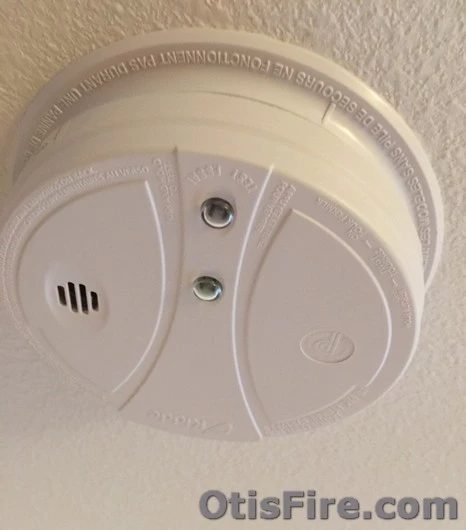
Understanding why a smoke alarm chirps is essential for maintaining a safe home environment. While most homeowners assume the alarm itself is faulty, chirping often comes from preventable issues such as water exposure, expired components, or even old alarms that were never fully powered down. The following guide outlines real situations encountered in the field and explains the true causes behind these common beeping problems.
A chirping smoke alarm is typically an indication of a fault, not an actual fire. However, pinpointing the source can be challenging especially in homes with multiple interconnected units. Chirping may result from environmental conditions, electrical issues, or even a removed alarm that still has a battery installed. Identifying the cause ensures your system remains reliable during emergencies.
During a recent installation at a basement daycare, two new smoke alarms were integrated into an existing hardwired system. Weeks later, the homeowner reported that one of the devices began chirping. When the alarm was removed for inspection, water poured out of the unit leading the customer to believe there was a leak in the piping above.
Following a full investigation, it was determined that the issue was not related to plumbing at all. Instead, moisture had accumulated inside the ductwork and dripped directly onto the smoke alarm. This type of condensation-related water exposure is more common in basements and colder areas of the home, especially where ducts run above living spaces.
Even a small amount of moisture can interfere with a smoke alarm’s internal circuitry. The result is often intermittent beeping, continuous chirping, or complete device failure.
Once water enters the alarm:
The sensor becomes unreliable
Corrosion may occur
The unit can trigger nuisance alarms or chirping
Any water-damaged smoke alarm must be replaced. If the moisture source is ongoing, a professional inspection is recommended to prevent recurrence.
To ensure your alarms are functioning correctly, consider scheduling a system check here: Fire Alarm Inspection Services
Another recent service call involved a customer who replaced a chirping smoke alarm with a new model. Despite the replacement, the beeping continued. When arriving on-site, the first step was to wait near the alarm to identify the tone’s source. Surprisingly, the new alarm was not the one beeping the sound was coming from the old smoke alarm sitting in storage.
The customer had removed the unit but left the battery inside, assuming that disconnecting it from AC power was enough to stop the chirping.
Battery-powered smoke alarms will continue chirping even after they are removed from the wall. Some models also contain capacitors that allow the device to beep for several minutes after both the AC power and the battery have been removed.
For this reason:
Always remove the battery from any discarded or stored alarm
Allow the unit to fully discharge before disposal
Never store an alarm with a battery installed
Improperly stored units can cause confusion and unnecessary service calls, especially in homes with multiple alarms.
Although water damage and stored alarms with batteries are frequent issues, several other causes should be considered:
A weak or improperly seated battery is the most common cause of repetitive chirping.
Most alarms last 8–10 years. Once expired, they begin chirping to indicate replacement is required.
Contamination near the sensor chamber can cause faulty readings and chirping.
In hardwired systems, momentary AC interruptions or loose connections may trigger beeping.
Routine checks ensure your alarms are clean, functional, and compliant. Homeowners should:
Test alarms weekly
Replace batteries annually
Clean alarms every 3–6 months
For comprehensive system verification, professional inspections are recommended.
To prevent moisture intrusion or wiring issues, alarms must be installed in appropriate locations with correct compatibility across the network.
A service technician should be contacted if:
Chirping persists after troubleshooting
Water damage is suspected
Multiple alarms are beeping simultaneously
You are unsure which device is causing the sound
A professional assessment ensures your system functions reliably when it matters most.
Chirping smoke alarms are more than a nuisance—they are a warning that something in the system requires attention. Whether the issue stems from water exposure, aging components, incorrect battery handling, or external conditions, timely troubleshooting helps maintain the integrity of your fire protection system.
Reliable smoke alarms play a critical role in early detection and life safety. Addressing beeping issues promptly ensures your home remains protected and your alarms perform as expected during an emergency.
If you require assistance diagnosing or servicing your alarms, professional support is available through Otis Fire Protection.
Copyright © 2026 | Otis Fire. All Rights Reserved.